Rooms & Relax
About Teseo
The name comes from the labyrinth.
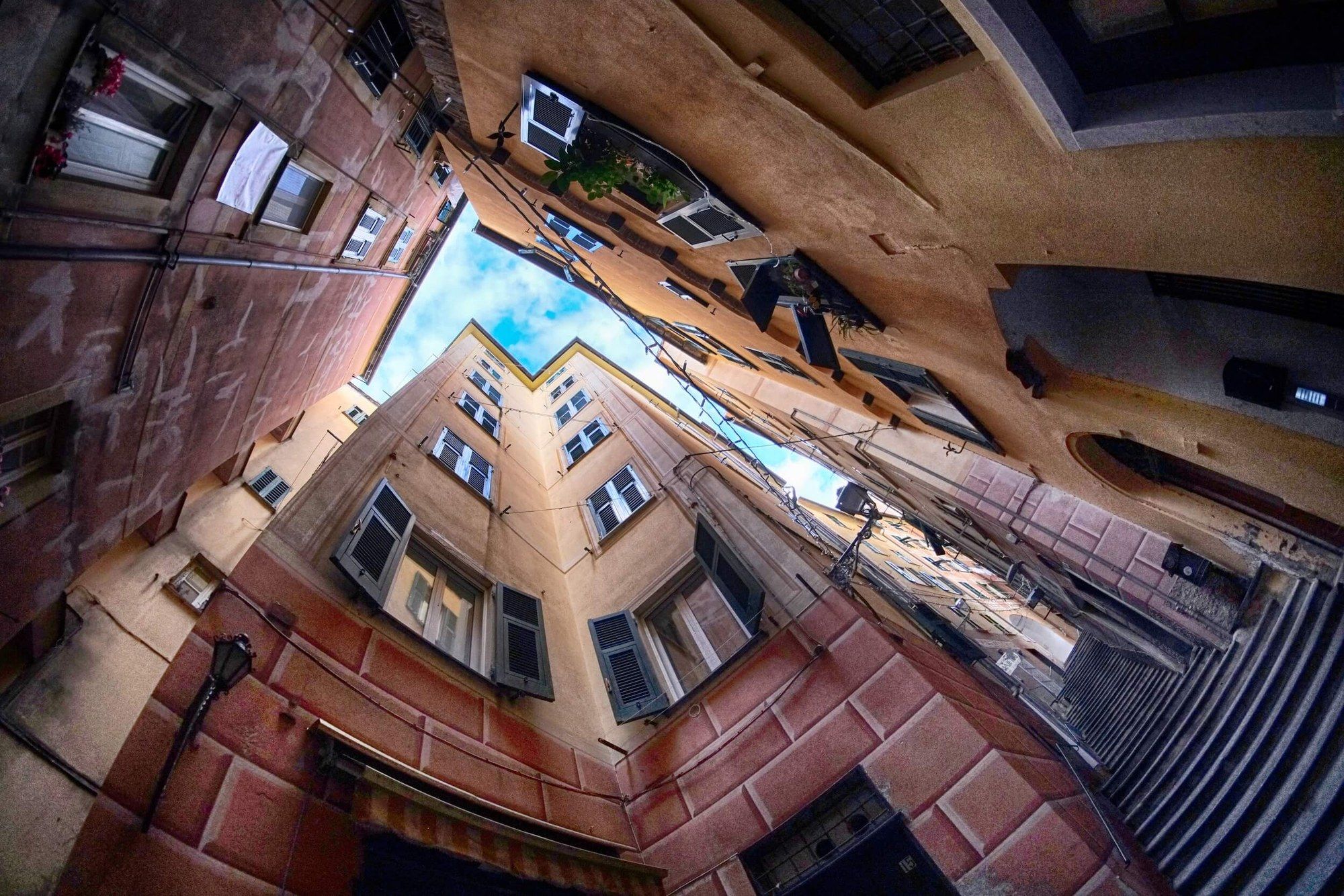
Not a bed & breakfast. A place the labyrinth does not see coming.
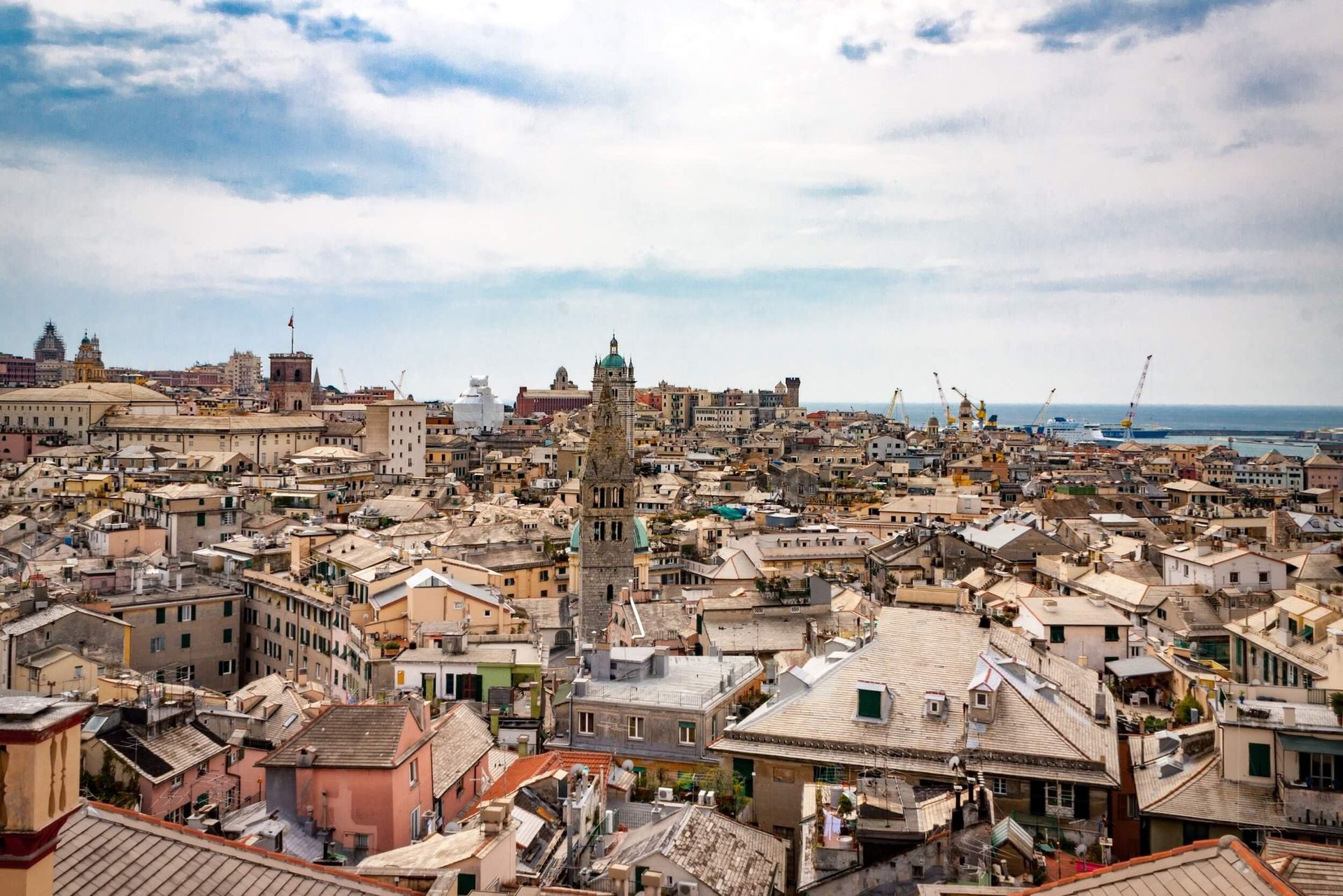
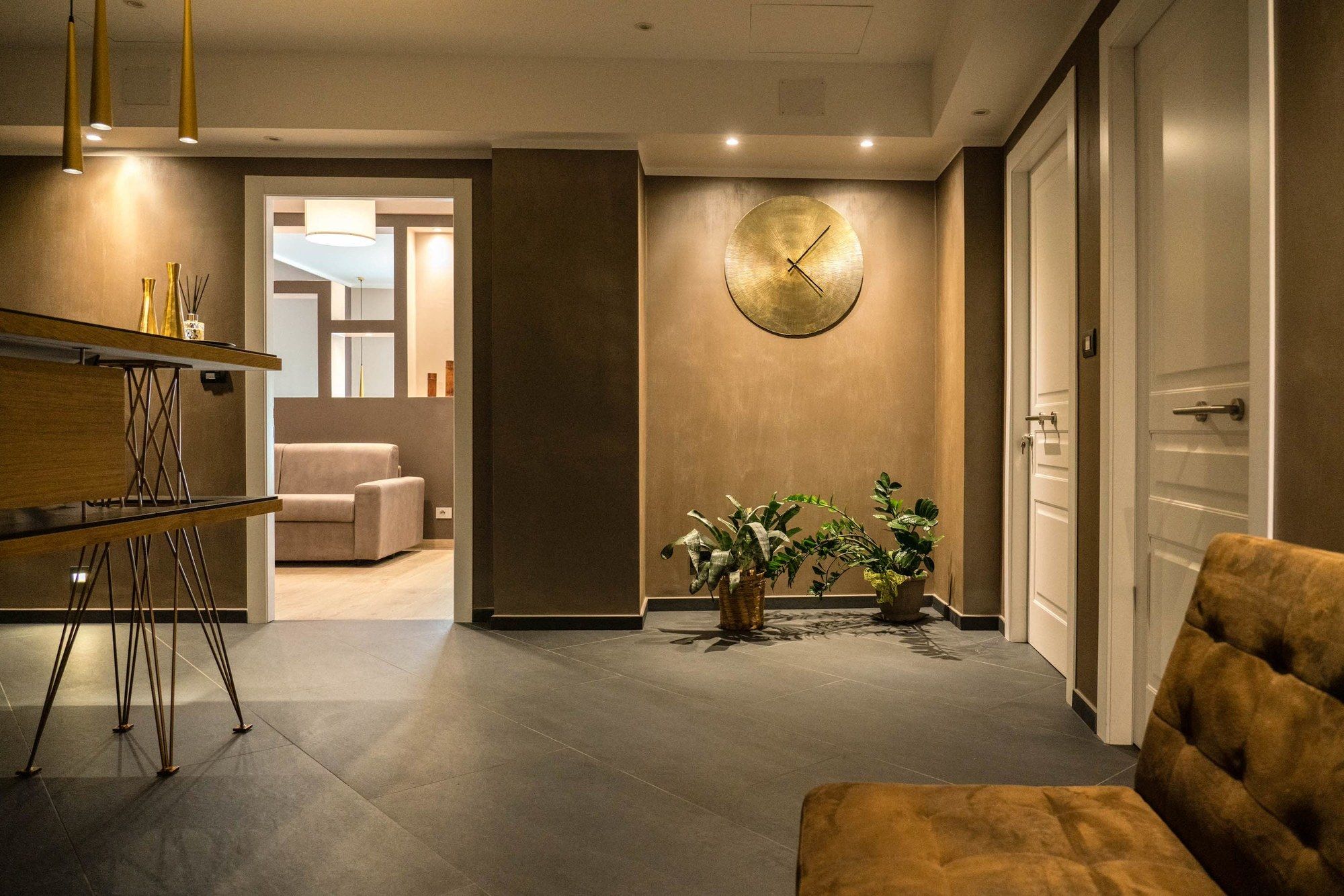
Teseo began with the idea of building something Genoa did not have: a property deep in the heart of the old town where, in the maze of alleys opening one after another, you would never expect to find a place like this. Six rooms and three apartments, to discover this city — or discover it again.
Why Teseo
The name had to evoke the place the property grew out of. We are surrounded by a labyrinth of alleys waiting to be explored, and that is exactly the charm of the old city: you reach Teseo only after getting lost in the caruggi, which are the pride and joy of Genoese life. Theseus’ journey into the labyrinth is the journey anyone makes looking for themselves and pushing past their own limits. It stands for the challenges of every ordinary day, and it is our philosophy.
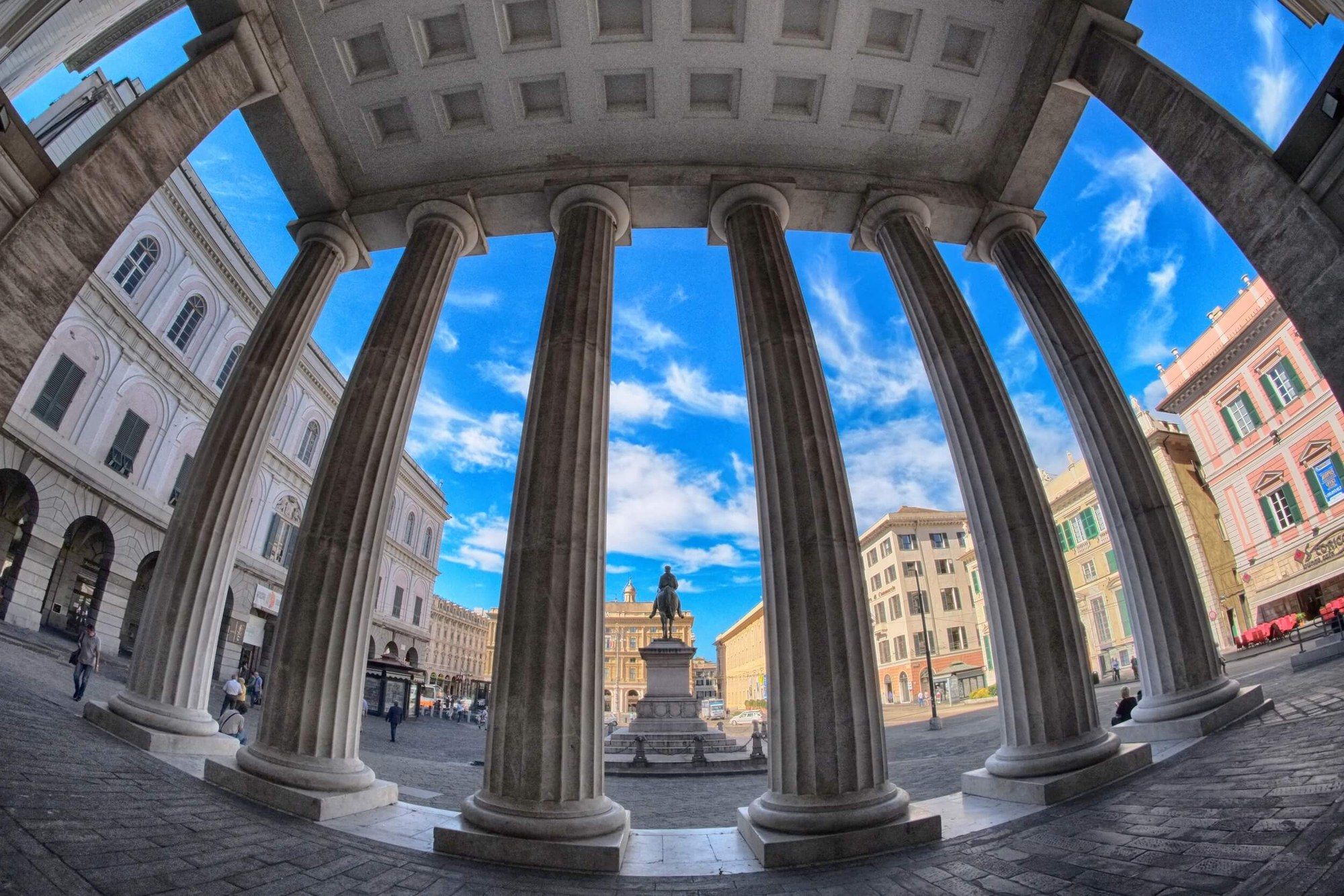
Theseus in Genoa
Just as Theseus chose to enter the labyrinth, we suggest you get lost in the historic centre. Yes, we mean it: get lost. That is what you have to do to really see it. Lose your bearings, let the scents, the smells and the chatter of people lead you, and follow your senses. When you come back we will be waiting in one of the rooms or apartments — and we can set aside a moment of pure relaxation for you in the wellness area.
The myth
It all began when Minos, king of Crete, asked Poseidon for a bull to sacrifice in his honour. Poseidon sent a white bull out of the waves, so magnificent that the king kept it for his herd instead of sacrificing it. To punish him, the god made his wife Pasiphaë fall in love with the bull: from their union came Asterius, half man and half bull — the Minotaur. He was ferocious, and Minos had him shut inside the labyrinth of Knossos, which Daedalus had built so intricate with corridors, doors and false entrances that whoever went in never came out.
Ariadne’s thread
Androgeos, son of Minos, was killed in Athens during the games. Minos took his revenge: every year the Athenians had to hand over seven boys and seven girls to feed the Minotaur. Weary of that cruelty, young Theseus, son of Aegeus and Aethra, decided to go to Knossos and kill the beast himself. At the court of Minos he met Ariadne, who fell in love with him at first sight and gave him a ball of wool. Theseus unwound it at the entrance to the labyrinth, crossed tunnels and halls, faced the Minotaur and killed him; then, winding the thread back, he found his way out. He took Ariadne away from Crete but abandoned her on Naxos, and she wept so bitterly that Dionysus gave her a golden crown to console her: on her death it became the constellation of the Corona Borealis.
Every unit carries a name from the story
Minosse, Pasifae, Poseidone, Egeo, Etra, Minotauro, Dedalo, Dioniso: the nine units of Teseo are named after the characters of the myth. It is not a decorative touch. Whoever sleeps here is inside the story, and the thread that leads back out of the labyrinth of alleys is always the same one.